The Tetradrachm of Philetairos
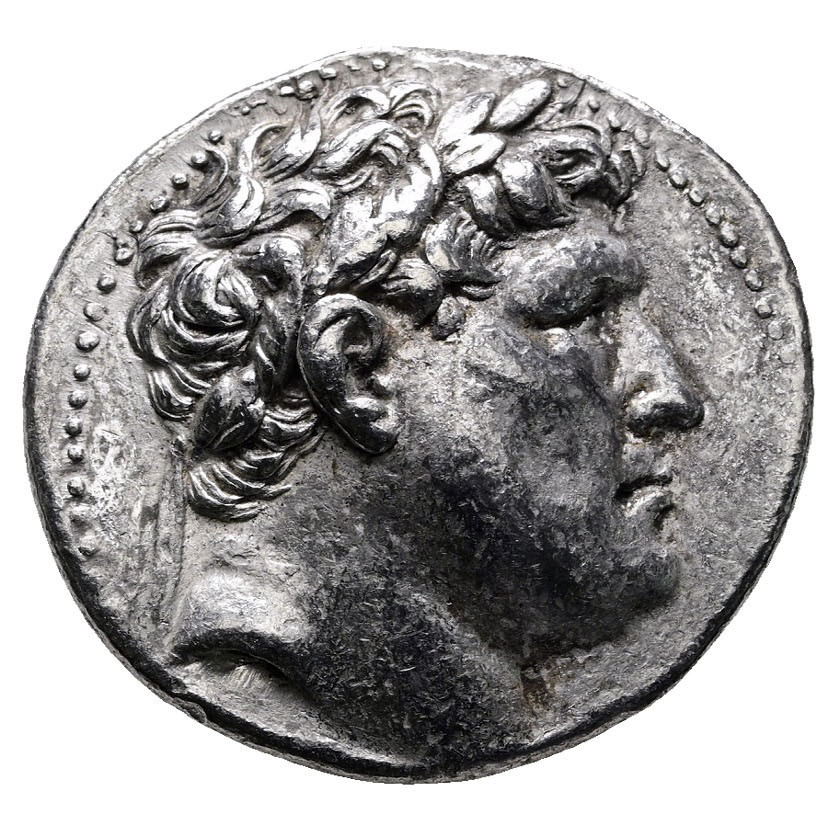
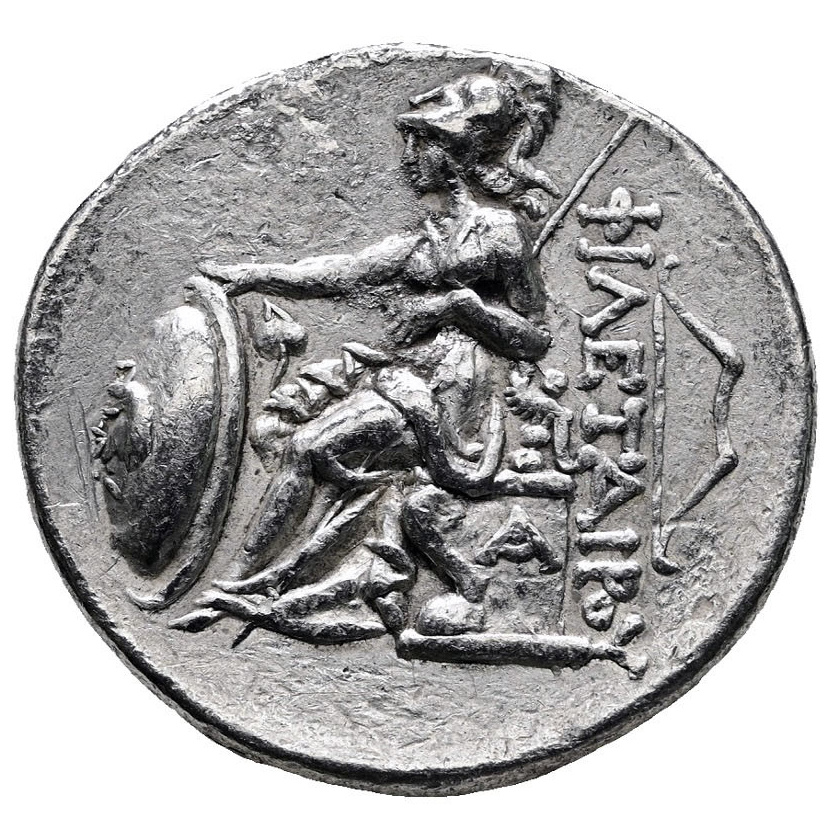
Philetairos (c. 343-263 BC) began his career in the service of Lysimachos. He was appointed guardian of the royal treasury at Sardis, which contained approximately 9000 talents of silver.1
Before the Battle of Corupedium in 281 BC, Philetairos turned against Lysimachos. He took control of the treasury and established his own authority in Asia Minor. Although he never adopted the title of king, he laid the foundations of the Pergamene state.
After Philetairos died in 263 BC, his successor, Eumenes I, kept control of the treasury instead of returning it to the Seleucid rulers. Antiochos I Soter responded by declaring war, but Eumenes defeated him.
Under Eumenes I, a tetradrachm was issued bearing the portrait of Philetairos on the obverse rather than the portrait of the current ruler. On the reverse, Athena is shown seated, while the only inscription is ΦΙΛΕΤΑΙΡΟΥ, meaning "of Philetairos".
The portrait is strikingly realistic. Philetairos is shown as a heavy-set, elderly man rather than as an idealised ruler. This reflects a wider development in Hellenistic coinage during the third century BC, when rulers increasingly used realistic portraits and relied less on Alexander the Great as a source of royal legitimacy.
The Philetairos type proved exceptionally durable. It remained in production for approximately a century, during the reigns of Eumenes I, Attalos I, and Eumenes II. Around 200 obverse dies were used during this long period.1
After 188 BC, Eumenes II introduced the cistophoroi and restricted the circulation of foreign silver coinage in Pergamon. The new currency replaced the old tetradrachms and brought the long-lived Attalid silver coinage to an end.1
References
- Metcalf, William E., ed. The Oxford Handbook of Greek and Roman Coinage. Oxford University Press, 2012. ↩
Created August 16, 2026 · Updated August 20, 2026
View related coin